Polson Park: The Man Who Gave Vernon Its Park

Video presented by Tim's AI-generated presenter, in his own voice.
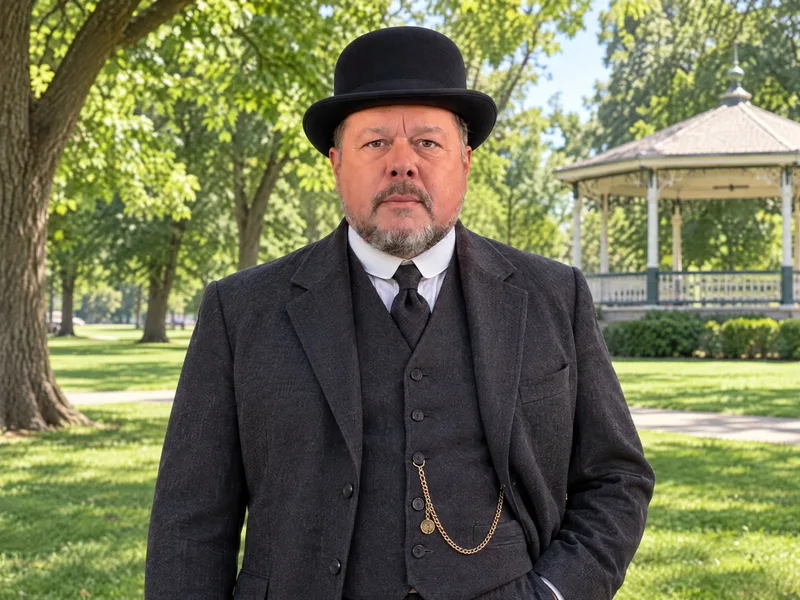
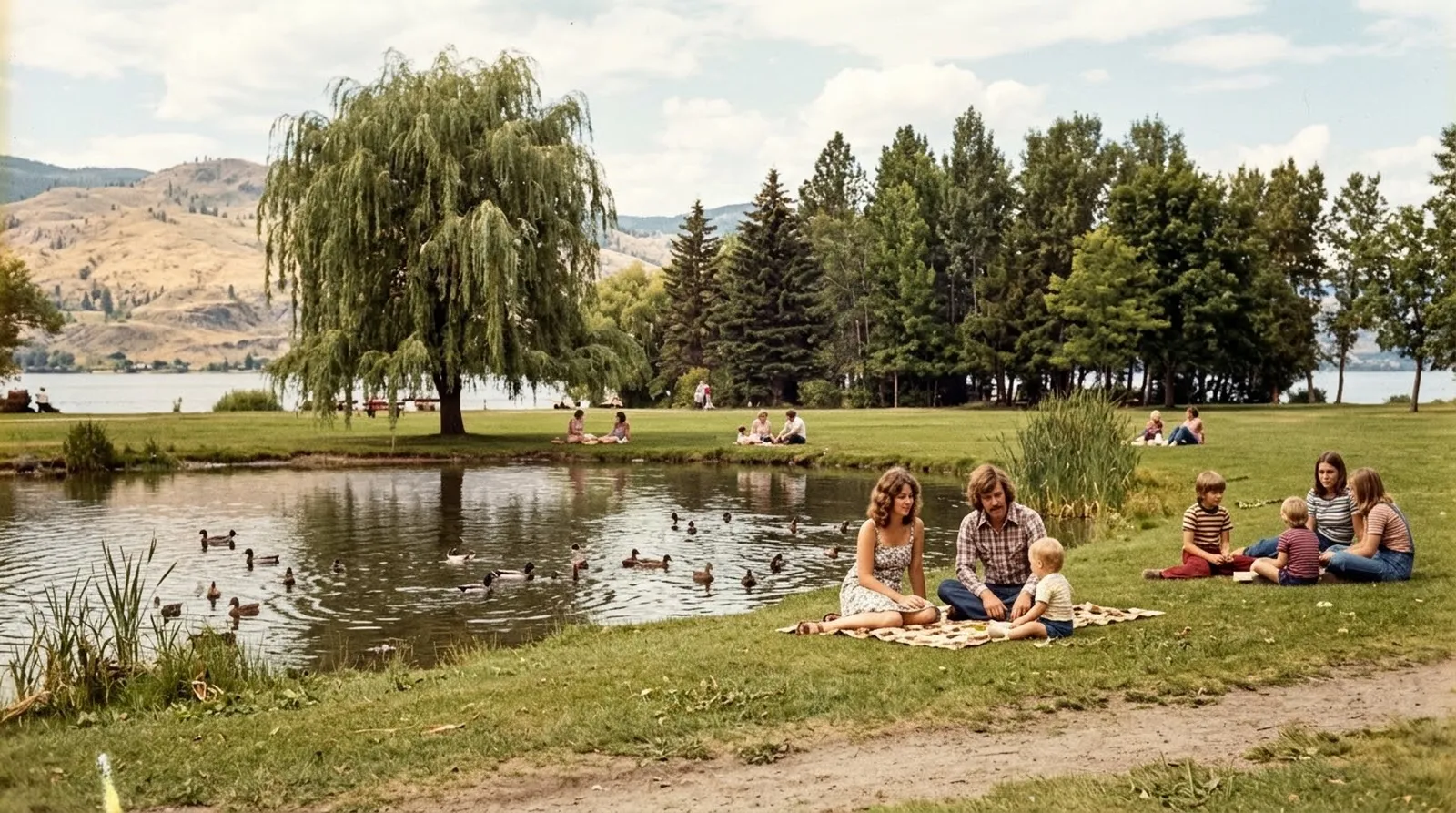
Polson Park is right in the heart of Vernon. We've all been there. But most of us never stopped to ask who it was named after.
Who was Samuel Polson?
Samuel Polson grew up in Manitoba. His parents came over from Scotland with the Selkirk settlers. As a young man he carried the mail between Winnipeg and Brandon, sang in the choir for the evangelist D.L. Moody, and was ordained as a Methodist minister. Then, on a trip west, he found the Okanagan and stayed.
The 1908 gift
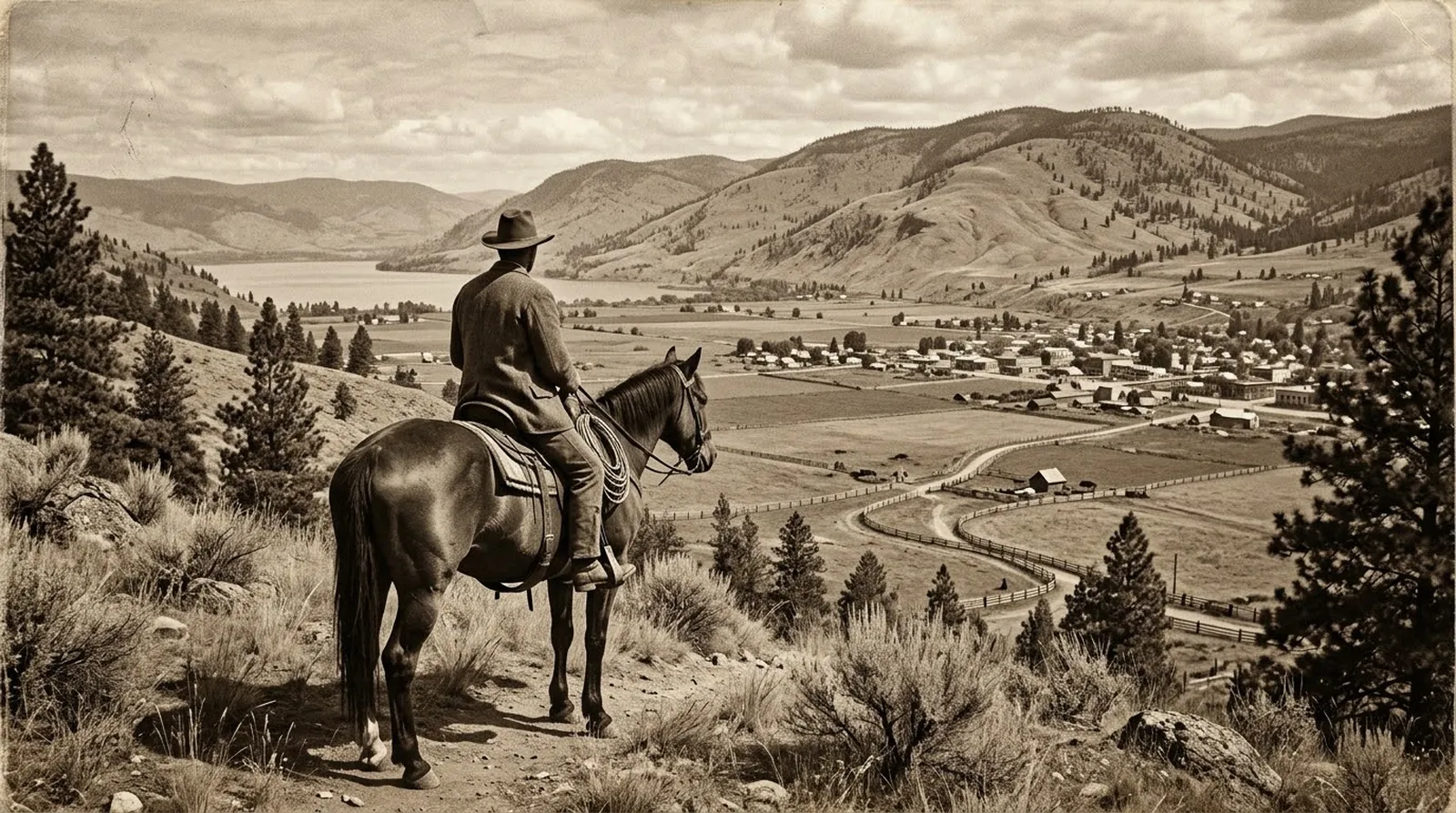
Here he was a rancher and a businessman, in real estate and insurance. He owned big ranch land around Vernon, including the B.X. Ranch. In 1908 he gave the City of Vernon a large piece of land, roughly 25 acres. Part of it was for the Vernon Jubilee Hospital. The rest was to be a park for the people of Vernon, forever.
He was generous to Enderby too, and served two terms as its mayor. Sadly, he died in Enderby in 1931 with very little money to his name. The park he gave Vernon wasn't named after him until September 3, 1970.
The early years
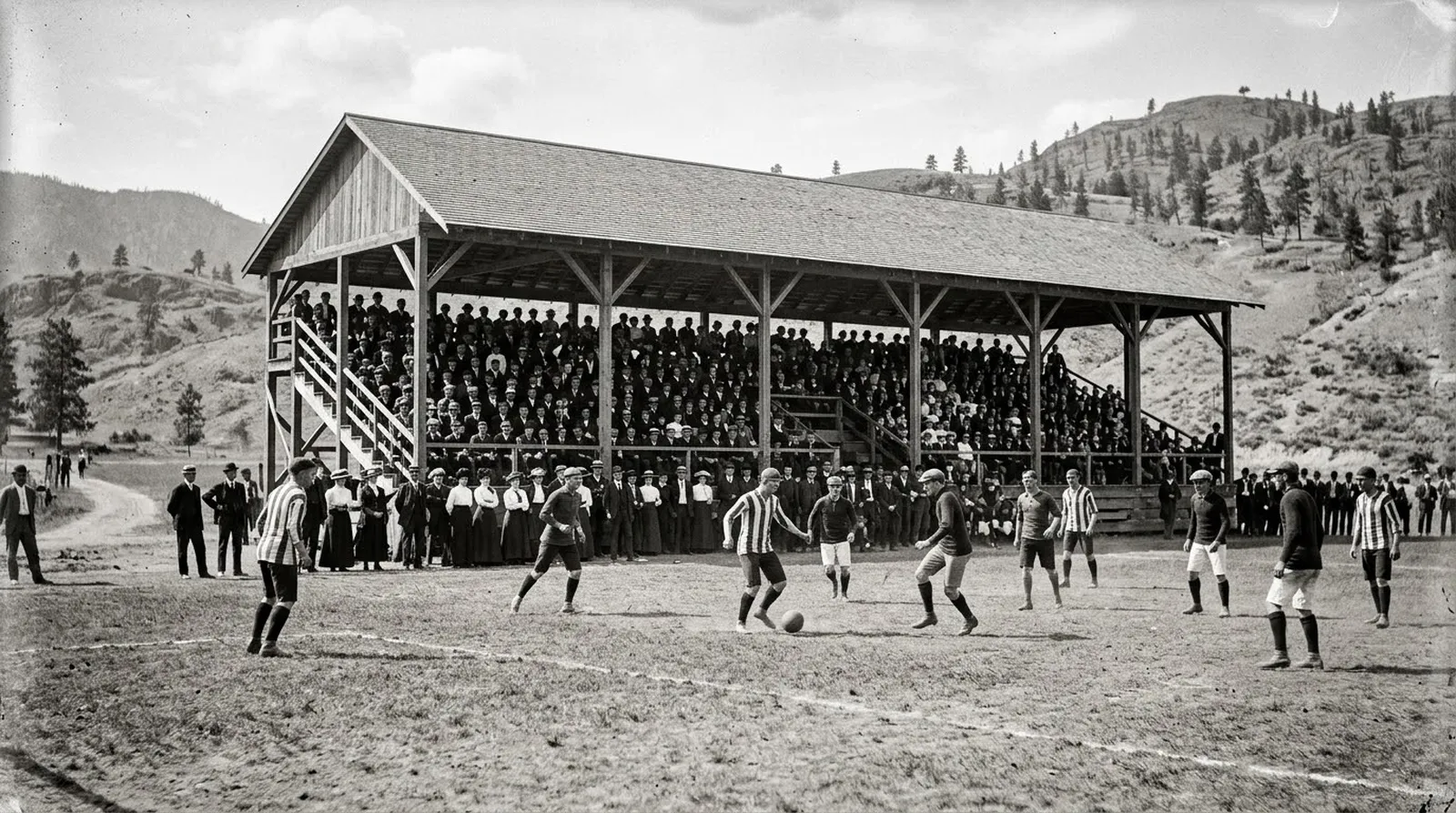
The park got busy fast. By 1911, the local Amateur Athletic Association had raised the money for a 500-seat grandstand. There was soccer, football and track meets, and there's a photo from 1912 of the old bandstand, complete with a stray baby buggy.
In 1921, Vernon's very first post office, which had been the home of early settler Luc Girouard, was moved into the park to become the lawn bowling clubhouse. In 1931 the bowling green got lights, which made it one of the best-lit greens in the province at the time.
The bandshell and the floral clock
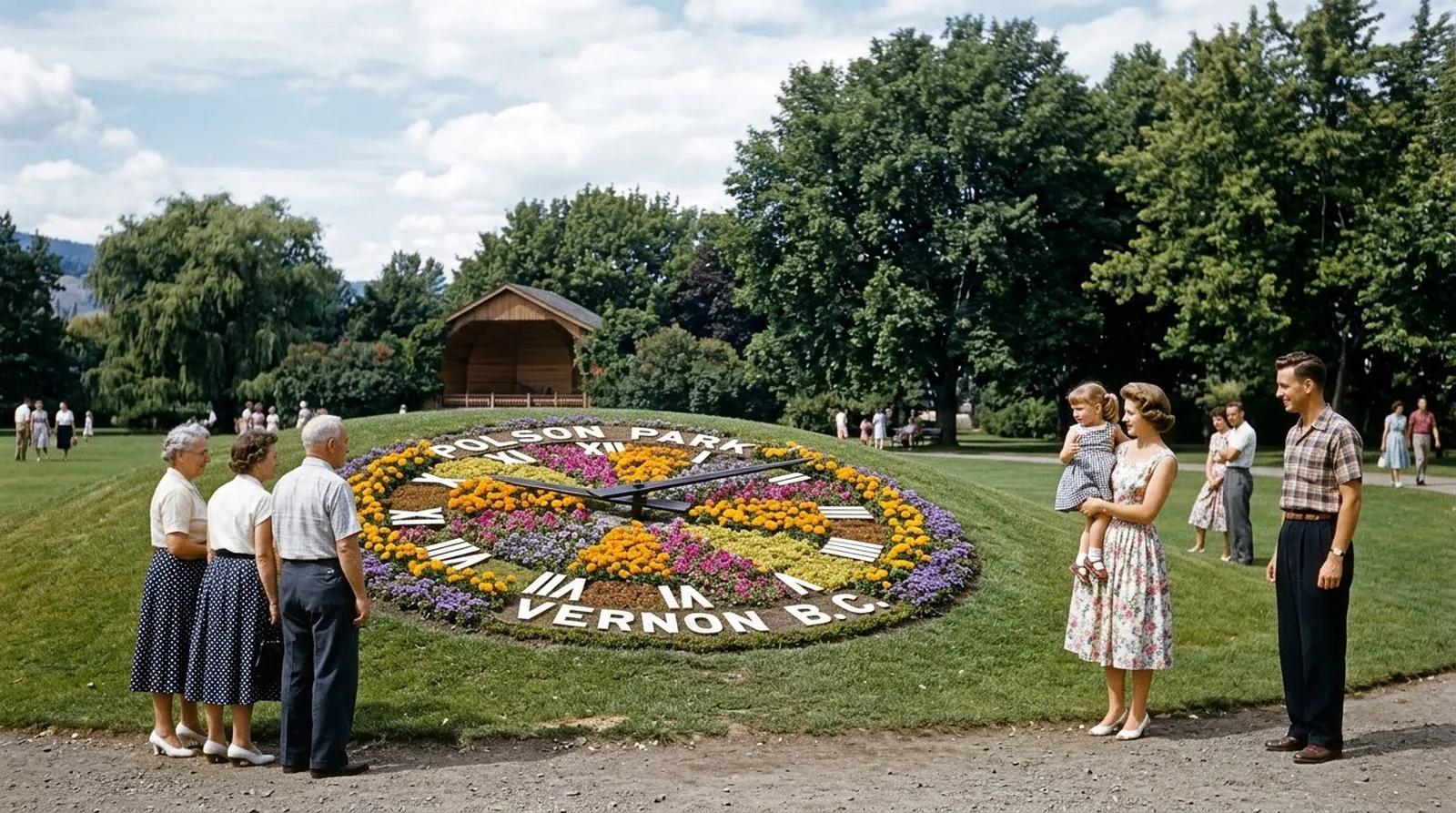
The Lions Club built the bandshell in 1950, and in 1958 came the one everybody photographs: the floral clock. Add the ponds and the ducks, the Japanese garden, the playground and the science centre, and you can see why so many Vernon families have memories here. In 2025, the city brought Vernon Creek back to a more natural channel through the park. It's still changing, more than a hundred years later.
The wishing well
And then there's the wishing well. It's one of those Polson Park memories people bring up again and again, and Tim is still piecing its story together. If you remember the wishing well, or you have an old photo of it, please send it in.
- 1908: Samuel Polson gives the city about 25 acres
- 1911: a 500-seat grandstand
- 1912: the old bandstand
- 1921: Vernon's first post office becomes the lawn bowling clubhouse
- 1950: the Lions Club bandshell
- 1958: the floral clock
- September 3, 1970: named Polson Park
- 2025: Vernon Creek restored
The historical scenes on this page and in the video are artist's recreations, made to show what the place looked like. They are not archival photos.
- City of Vernon, Polson Park
- "A Bio Sketch of Samuel Polson" (historynstuff), citing Museum & Archives of Vernon records
- Vancouver Public Library local history index (Okanagan History): Polson Park grandstand
- Vernon Morning Star, "Vernon history in pictures" (Greater Vernon Museum and Archives photo #708)
- Castanet, Vernon Museum feature, "Bowling for 109 years"
- City of Vernon, Vernon Creek restoration in Polson Park (2025)